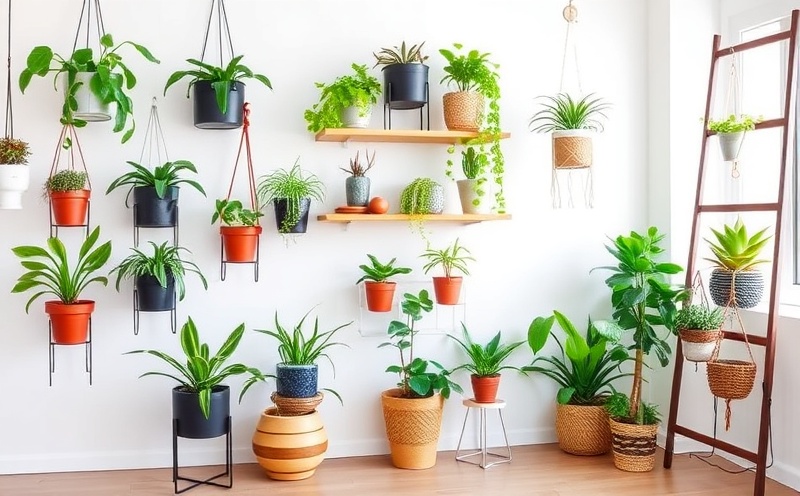
Owning plants is one thing. Making them look absolutely stunning in your home is an art. The way you display your plants completely transforms a room, turning it from “has plants” to “plant goals.” Let’s explore five styling approaches that work beautifully for any plant collection.
1. The Vertical Wall Garden
Create a living wall by arranging plants at different heights on shelves, wall planters, or hanging mechanisms.
Why it works: Maximizes limited floor space. Creates an impressive focal point. Makes even a small collection look abundant.
How to do it:
- Install floating shelves at varying heights (12, 24, 36 inches from the ground)
- Combine hanging planters with wall pockets
- Use trailing plants (pothos, string of pearls) to cascade down
- Mix upright plants with trailing varieties for visual flow
- Stagger plant sizes for visual interest
Best plants:
- Pothos (trailing)
- Spider plant (cascading)
- Monstera (statement piece)
- Small snake plants (architectural)
- Succulents (varied heights)
Styling tip: Create odd numbers of plants on each shelf (3 or 5). This is more visually pleasing than even arrangements.
2. The Clustered Plant Corner
Group multiple plants in one area to create a lush, jungle-like feature.
Why it works: Creates a dedicated plant zone that draws the eye. Makes a dramatic statement. Concentrates humidity for plants that love it.
How to do it:
- Choose a corner with good natural light
- Use plant stands of varying heights
- Mix pot sizes and materials
- Combine tall, medium, and trailing plants
- Create depth by layering plants front to back
Best plants:
- Monstera (tall statement)
- Ferns (soft texture)
- Philodendron (climbing/trailing)
- Pothos (trailing)
- Snake plant (height variation)
Styling tip: Use pots in 2-3 coordinating colors or materials to create cohesion.
3. The Symmetrical Bookshelf Display
Arrange plants on shelves in a balanced, organized way that feels intentional and modern.
Why it works: Looks curated and sophisticated. Works well in contemporary spaces. Easy to maintain and adjust.
How to do it:
- Use matching or complementary pots
- Arrange tall plants on outer sections, shorter on inner
- Alternate between plants and decorative objects
- Repeat a plant variety for visual rhythm
- Ensure even spacing between items
Best plants:
- Snake plant (uniform, architectural)
- ZZ plant (modern look)
- Pothos (consistent trailing)
- Succulents (small, perfect for shelves)
- Air plants (no pots needed)
Styling tip: Include non-plant items (books, art, objects) between plants for visual breathing room.
4. The Window Sill Lineup
Maximize natural light by displaying plants along windows.
Why it works: Plants get optimal light. Creates a living curtain effect. Softens light filtering into the room.
How to do it:
- Use consistent pot heights or vary them
- Arrange by size (tallest on ends, shortest in middle)
- Include trailing plants that flow downward
- Layer multiple shelves if space allows
- Mix textures and leaf types
Best plants:
- Succulents (love sunlight)
- Herbs (functional and beautiful)
- Trailing pothos (soft silhouette)
- African violets (colorful flowers)
- Begonias (delicate foliage)
Styling tip: Vary pot colors to add visual interest, but keep it to 2-3 coordinating colors.
5. The Floor-Standing Statement Piece
Feature one tall, dramatic plant as the hero of a room.
Why it works: Creates an instant focal point. Makes a bold design statement. Adds height and drama without clutter.
How to do it:
- Choose a single tall, impressive plant (Monstera, Fiddle Leaf Fig, Bird of Paradise)
- Place in a decorative pot that complements your decor
- Position in a visible corner or against a wall
- Consider the negative space around it
- Pair with subtle trailing plants at the base
Best plants:
- Monstera Deliciosa (iconic)
- Fiddle Leaf Fig (architectural)
- Tree Philodendron (impressive height)
- Tall palm varieties (tropical vibe)
- Bird of Paradise (dramatic leaves)
Styling tip: Invest in a beautiful pot for your statement plant—it’s the frame for your living art.
General Styling Principles
Color Coordination
- Limit pot colors to 2-3 complementary shades
- Coordinate with your interior decor
- Use neutral tones (white, gray, terracotta) for versatility
- Consider plant foliage color in your arrangement
Height Variation
- Never line plants up at the same height
- Create peaks and valleys in your display
- Place tall plants on ends, shorter ones in middle
- Use plant stands and shelves strategically
Textural Variety
- Combine different leaf shapes and sizes
- Mix delicate, feathery plants with bold, statement leaves
- Layer textures for visual depth
- Balance glossy leaves with matte finishes
Spacing and Breathing Room
- Don’t overcrowd plants
- Leave space between plants for movement and growth
- Include non-plant items to break up greenery
- Avoid a chaotic appearance
Scale and Proportion
- Match plant sizes to room size (small plants in small rooms, dramatic plants in large spaces)
- Consider mature plant size, not current size
- Use trailing plants to soften hard edges
- Layer at different heights for depth
Pot Selection Tips
Material matters:
- Ceramic: Classic, comes in many colors, heavier
- Terracotta: Natural, breathable, rustic charm
- Concrete: Industrial, modern aesthetic
- Fabric: Lightweight, trendy, often affordable
- Glass: Contemporary, shows soil (less aesthetically pleasing)
Color strategy:
- Monochromatic: All one color (elegant, modern)
- Analogous: Colors near each other on color wheel (harmonious)
- Contrasting: Bold, opposite colors (dramatic)
- Neutral: White, gray, terracotta (versatile, timeless)
Creating Your Display in Steps
-
Assess your space: What areas get good light? Where do you spend time? What’s your style?
-
Choose your approach: Vertical wall, cluster corner, bookshelf, window, or statement piece
-
Select plants: Choose varieties that match the light your space provides
-
Gather pots: Find containers that coordinate with your decor
-
Arrange plants: Start with tall plants, fill in with medium and small
-
Step back: Take photos from different angles, adjust as needed
-
Maintain: Keep plants healthy and adjust styling as they grow
Final Thoughts
The best plant display is one that makes you happy and works for your lifestyle. Don’t stress about following rules perfectly. Plants are forgiving and beautiful in almost any arrangement. Start simple, experiment with what appeals to you, and enjoy the process of creating your personal plant paradise.
Your space is your canvas—let your plants be the brushstrokes that bring it to life!