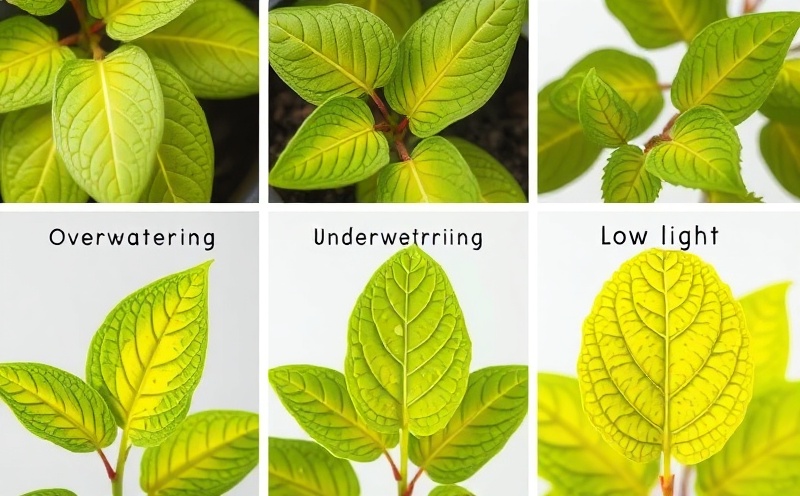
Yellow leaves are one of the most common plant problems, but they’re also one of the most confusing because multiple issues can cause them. The good news? Once you know what to look for, diagnosing and fixing yellowing leaves is straightforward.
Understanding Yellow Leaves
Yellowing leaves mean your plant is stressed. The yellow color appears when the plant loses chlorophyll (the green pigment that powers photosynthesis). Identifying the cause is the key to solving the problem.
The Main Causes of Yellowing Leaves
1. Overwatering (The Most Common Cause)
Signs:
- Entire leaves turn yellow
- Leaves feel soft or mushy
- Soil stays wet all the time
- Plant droops despite wet soil
Why it happens: Excess water prevents roots from breathing and causes root rot.
The fix:
- Let soil dry out between waterings
- Ensure the pot has drainage holes
- Repot in fresh, well-draining soil if roots are rotting
- Wait 5-7 days before watering again
2. Underwatering
Signs:
- Leaves yellow, curl, and become crispy
- Soil is bone dry
- Plant droops when thirsty
- Yellowing starts with outer leaves
Why it happens: Without enough water, the plant can’t transport nutrients.
The fix:
- Water thoroughly until water drains from the bottom
- Create a consistent watering schedule based on soil moisture
- Soak the pot in water for 10 minutes if soil is severely dried out
- Mist leaves in dry conditions
3. Poor Lighting
Signs:
- Lower leaves yellow and drop
- Plant appears pale or weak
- New growth is smaller than usual
- Plant stretches toward light source
Why it happens: Without enough light, the plant can’t photosynthesize effectively.
The fix:
- Move the plant closer to a window
- Rotate the plant weekly for even light exposure
- Clean leaves regularly so light can penetrate
- Consider grow lights if natural light is impossible
4. Nutrient Deficiency
Signs:
- Yellowing starts between leaf veins (veins stay green)
- Affects older leaves first
- Plant growth slows noticeably
- Leaf color is pale yellow
Why it happens: Plants need nutrients to stay healthy. Soil depletes over time.
The fix:
- Feed with a balanced, diluted liquid fertilizer monthly during growing season
- Switch to fresh potting soil if soil is very old
- Use fertilizer designed for houseplants (not garden plants)
- Don’t over-fertilize—it can damage roots
5. Cold Exposure
Signs:
- Yellowing occurs suddenly after moving plant
- Leaves turn yellow between veins
- Plant is sluggish and grows slowly
- Occurs in winter or after exposure to cold drafts
Why it happens: Cold temperatures slow plant metabolism.
The fix:
- Move plant away from cold windows or heating vents
- Maintain temperatures between 65-75°F
- Avoid placing plants near exterior doors in winter
- Never expose tropical plants to temperatures below 50°F
6. Pests
Signs:
- Yellowing appears on specific areas of leaves
- Sticky residue on leaves or stems
- Tiny bugs visible on plant
- Webbing or spots on leaves
Why it happens: Pests suck juice from leaves, causing yellowing.
The fix:
- Isolate the plant immediately
- Inspect the underside of leaves carefully
- Spray with neem oil or insecticidal soap weekly for 3-4 weeks
- Wipe leaves with a damp cloth to remove pests
- Treat nearby plants as a precaution
7. Disease (Fungal or Bacterial)
Signs:
- Yellow spots with brown centers
- Spots have rings or patterns
- Yellowing is localized to specific areas
- Spots spread quickly
Why it happens: Fungal or bacterial infections cause leaf damage.
The fix:
- Remove affected leaves immediately
- Improve air circulation around the plant
- Avoid watering leaves
- Use fungicide if problem persists
- Isolate plant from others
8. Natural Aging
Signs:
- Only the oldest, lowest leaves yellow
- Happens gradually over time
- Rest of plant looks healthy
- New growth appears normal
Why it happens: Old leaves naturally die off as plants create new growth.
The fix:
- Simply remove yellowed leaves
- This is completely normal and healthy
- No treatment needed
The Yellowing Diagnosis Flowchart
Step 1: Check the soil
- Wet? → Overwatering
- Dry? → Underwatering
Step 2: Check leaf pattern
- All over the leaf? → Watering issue or cold
- Between veins? → Nutrients or disease
- Localized spots? → Pests or disease
Step 3: Check location
- Only lower leaves? → Natural aging or light issue
- Throughout plant? → Watering or nutrient issue
Step 4: Check environmental factors
- Recently moved? → Light or cold stress
- Near heating vent? → Cold or heat damage
- Underwatered previously? → Watering issue
Action Plan for Yellowing Leaves
Immediate:
- Remove severely yellowed leaves (they won’t recover)
- Check and adjust watering if needed
- Ensure proper drainage
Short-term (1-2 weeks):
- Adjust light if needed
- Check for pests or disease
- Maintain consistent care
Long-term (2-4 weeks):
- Monitor new growth for health
- Adjust fertilizing if necessary
- Watch for recurring issues
Prevention Tips
- Water based on soil moisture, not schedule
- Provide appropriate light for your plant type
- Feed monthly during growing season
- Ensure pots have drainage holes
- Maintain consistent temperature
- Check plants regularly for pests
- Improve air circulation with a small fan
When to Consider the Plant a Loss
If yellowing covers more than 50% of the plant, and you’ve tried these fixes without improvement, the plant may be beyond saving. It’s okay—even experienced plant parents lose plants sometimes. Use it as a learning experience and try again with a new plant.
Final Thoughts
Yellow leaves aren’t a death sentence. With careful observation and the right adjustments, most plants recover beautifully. The key is acting quickly and identifying the true cause rather than guessing. Your plant will reward your efforts with healthy, green growth!
Remember: not all yellowing requires drastic action. Sometimes your plant just needs one small adjustment to bounce back.