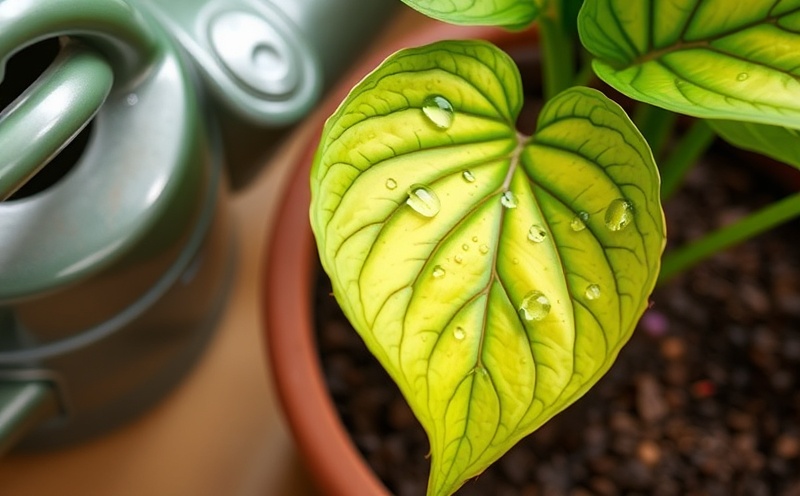
Overwatering is the #1 killer of houseplants. More plants die from too much water than from neglect, yet it’s one of the easiest problems to fix if you catch it early. Let’s learn how to identify overwatering and save your plant.
The Overwatering Problem
When you water too frequently, the soil stays constantly wet. Plant roots can’t breathe, and they begin to rot. Once roots rot, the plant can’t absorb water or nutrients—creating a death spiral. The good news? You can catch and reverse overwatering if you act quickly.
Signs Your Plant Is Overwatered
Visual Signs
- Yellowing leaves (usually starting with lower leaves)
- Soft, mushy stems or roots
- Wilting despite wet soil
- Fungus gnats flying around your plant (attracted to wet soil)
- Mold or algae on the soil surface
- Leaves falling off the plant prematurely
- Brown, soggy roots when you check them
When to Suspect Overwatering
The leaves look healthy and green, but the plant droops despite the soil being wet. This is the classic overwatering sign—it’s the opposite of underwatering, where the plant droops AND the soil is dry.
Why Overwatering Happens
- Good intentions: Watering on a schedule rather than checking soil moisture
- Guilt: Assuming the plant needs water because you haven’t watered in a few days
- No drainage: Pots without drainage holes trap water
- Wrong soil: Using regular potting soil instead of well-draining mix
- Humidity trap: Keeping plants in bathrooms with wet air
How to Fix Overwatered Plants
Step 1: Stop Watering Immediately
The first action is the most critical. Let the soil dry out. This stops the drowning cycle and gives roots a chance to recover.
Step 2: Check Drainage
Ensure your pot has drainage holes. If it doesn’t, repot the plant immediately into a container with proper drainage. This is non-negotiable.
Step 3: Assess the Roots
If the plant is severely affected, gently remove it from the pot and inspect the roots. Healthy roots are white or light-colored. Black, mushy roots mean rot.
Step 4: Trim Dead Roots (If Necessary)
Using clean scissors, trim any black or mushy roots. This removes the dead tissue and allows the plant to focus energy on healthy roots.
Step 5: Repot in Fresh Soil
If you trimmed roots or suspect root rot, repot the plant in fresh, dry potting soil. The fresh soil won’t harbor bacteria that promote rot.
Step 6: Wait Before Watering Again
After repotting, wait 5-7 days before watering. This gives the roots time to recover and prevents another drowning incident.
Step 7: Adjust Your Watering Routine
The best watering method: stick your finger 1-2 inches into the soil. If it feels dry, water. If it feels moist, wait. Check every few days rather than watering on a schedule.
Prevention: The Golden Rule
Wait until the top 1-2 inches of soil are completely dry before watering again. This simple rule prevents 90% of overwatering problems.
Additional Prevention Tips
- Use pots with drainage holes
- Water in the morning so excess water can evaporate
- Use well-draining potting soil
- Consider your plant’s natural environment (succulents need much less water than tropical plants)
- Reduce watering in winter when plants grow slower
- Empty saucers after 10 minutes so water doesn’t sit under the pot
Which Plants Are Most Sensitive to Overwatering?
- Succulents and cacti
- Snake plants
- ZZ plants
- Pothos
- Rubber plants
These plants store water in their leaves and stems, so they prefer drying out between waterings.
Recovery Timeline
- Days 1-3: Stop watering, improve drainage, assess damage
- Days 4-14: Root recovery begins, first new growth might appear
- Weeks 2-4: Plant should show signs of recovery with new healthy growth
- Month 2+: Plant returns to normal vigor
Not all overwatered plants recover, especially if roots are severely rotted. But if you catch it early and act decisively, your plant has an excellent chance of bouncing back.
Final Thoughts
Remember: plants need water, but they also need air. Soil that’s always wet doesn’t allow roots to breathe. Trust the soil, not the calendar. Stick your finger in the soil, and you’ll never overwater again.
Your plant’s health depends on it!